
Articles

SA’s laws and regulations to protect consumers from harmful cosmetic products?

1. This foundational legislation governs the regulation of cosmetics in South Africa. It mandates that all cosmetic products must be safe for human use and prohibits the sale of any products that could cause harm under normal conditions of use. The Act requires compliance with specific standards for the composition, labelling, and advertising of cosmetics, ensuring that consumers receive accurate information about the products they use. 2. South African Health Products Regulatory Authority (SAHPRA) SAHPRA is responsible for the registration and regulation of health products, including cosmetics. Before any cosmetic product can be sold in South Africa, it must be registered with SAHPRA. This process involves a thorough review of the product’s formulation, labelling, and intended use to assess its safety and compliance with regulatory standards. SAHPRA also conducts post-market surveillance to monitor the safety of products already on the market 3. Cosmetic Products Regulations Under the Medicines and Related Substances Act, specific regulations outline the requirements for cosmetic product registration, manufacturing, importation, labelling, and advertising. These regulations include: 4. Consumer Protection Act (Act 68 of 2008) This Act provides additional protections for consumers by ensuring that all products marketed in South Africa are safe and fit for purpose. It prohibits misleading advertising and ensures that consumers have access to accurate information about the products they purchase. The Act empowers consumers to seek recourse if they suffer harm from defective or unsafe products 5. Advertising Regulatory Board (ARB) Codes The ARB oversees advertising practices in South Africa, including those related to cosmetics. The Cosmetic Advertising Code of Practice ensures that all claims made in advertisements are truthful and not misleading. This code works alongside the Consumer Protection Act to protect consumers from false claims about cosmetic products The regulatory framework in South Africa provides robust protections for consumers against harmful cosmetic products. Through stringent laws such as the Foodstuffs, Cosmetics and Disinfectants Act, oversight by SAHPRA, adherence to GMP, and consumer rights under the Consumer Protection Act, South African consumers can feel more secure about the safety and efficacy of the cosmetics they choose to use.

SA’s laws and regulations to protect consumers from harmful cosmetic products? Read More »

Ingredients are prohibited or restricted in South African cosmetics?

Prohibited Ingredients Restricted Ingredients The South African regulatory framework for cosmetics emphasises consumer safety by prohibiting or restricting harmful ingredients. The oversight by SAHPRA ensures that all cosmetic products meet safety standards before they can be marketed, thus protecting consumers from potential health risks associated with hazardous substances in cosmetics. It is essential for consumers to be aware of these regulations when choosing cosmetic products, ensuring they select safe options for their personal care needs.

Ingredients are prohibited or restricted in South African cosmetics? Read More »

Penalties for using prohibited ingredients in cosmetics in SA

Penalties for Violating Cosmetic Regulations The regulatory framework in South Africa imposes strict penalties for the use of prohibited ingredients in cosmetics to protect consumer health. These measures are designed to deter non-compliance and ensure that all cosmetic products meet safety standards. Consumers can feel more secure knowing that there are significant consequences for those who violate these regulations.

Penalties for using prohibited ingredients in cosmetics in SA Read More »

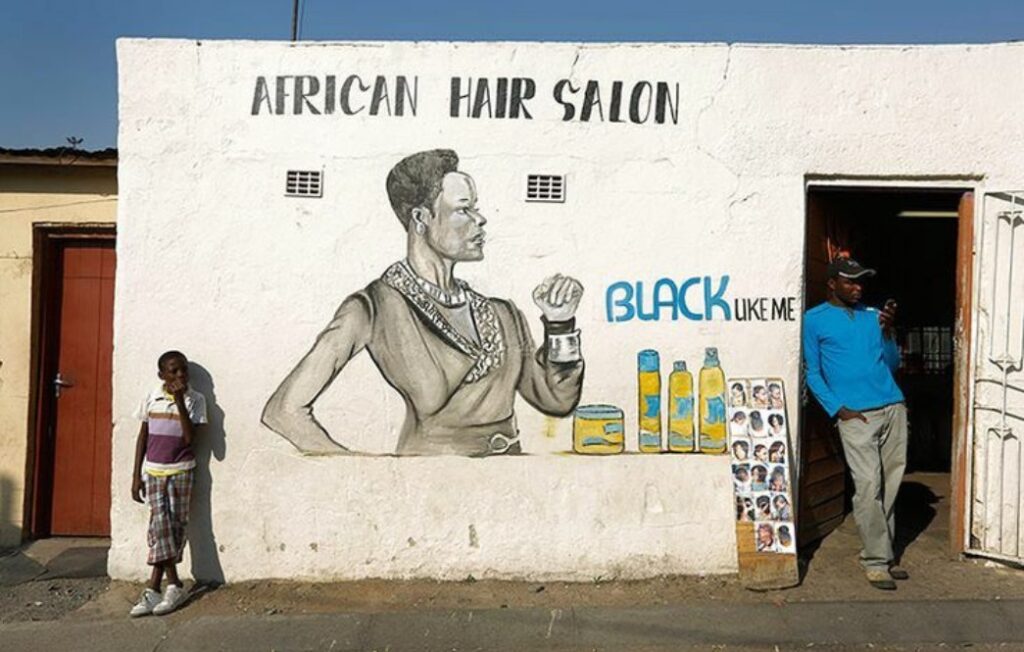
Toxic Hair Products Marketed Towards Black Women: A Call to Action for South African Beauty Professionals

The beauty and cosmetics industry in South Africa faces critical challenges regarding product safety, particularly for Black women. A recent study published in Environmental Research has revealed that harmful chemicals are often found in hair products marketed towards this demographic. This alarming trend, initially noted in the United States, has significant implications for South African consumers and beauty professionals alike. The Problem: Endocrine-Disrupting Chemicals (EDCs) Research indicates that many hair products commonly used by Black women—such as relaxers, hot oil treatments, and conditioners—contain endocrine-disrupting chemicals (EDCs). These substances can interfere with the body’s hormonal systems, leading to various health issues. Disturbingly, the study found that all eighteen products analysed contained EDCs, many of which are banned in Europe due to safety concerns. Lack of Transparency One pressing issue highlighted by the study is the lack of transparency in ingredient lists. Many harmful compounds are not clearly labelled, making it difficult for consumers to make informed choices. This concern is particularly significant in South Africa, where consumers may not benefit from the same regulatory protections as those in other regions. Disproportionate Health Impacts In the U.S., Black women experience disproportionately higher rates of certain health issues, including uterine fibroids, infertility, and specific cancers. Dr. Jessica Helm, a scientist at the Silent Spring Institute, notes, “We know from previously published research that Black women have higher rates of uterine fibroids, of infertility, earlier onset of puberty, as well as rising rates of endometrial and breast cancers.” These findings serve as a wake-up call for South African beauty professionals to scrutinize the products they recommend and use. Actionable Steps for Beauty Professionals The implications of this research extend beyond the U.S. South African beauty professionals must advocate for stricter regulations and greater transparency in labelling hair care products. Here are some steps to consider: Common EDCs to Watch For Here are some common EDCs that could be lurking in everyday products: Conclusion The findings from this study highlight a significant concern for the beauty and cosmetics industry in South Africa. As professionals dedicated to beauty and wellness, it is our responsibility to ensure that the products we recommend, and use are safe and effective. By taking proactive steps—like reading labels and advocating for safer products—we can protect our communities and ensure access to healthier beauty solutions for all. Let’s work together to create a safer beauty environment in South Africa, prioritizing the health and well-being of our consumers. Your voice matters—join the conversation today! Sign up now to receive our engaging newsletter and gain access to our dedicated WhatsApp group, where collaboration and innovation thrive! Don’t miss out on the chance to elevate your career and be part of a transformative movement in beauty!

Toxic Hair Products Marketed Towards Black Women: A Call to Action for South African Beauty Professionals Read More »

×